

How Often Should You Send WhatsApp Campaigns?
WhatsApp is where people talk to their mother, their children's school group and their closest friends. A business that writes there is a guest, and a guest who drops by every other day stops being let in. Hence the question every owner asks after a good first campaign: how soon can the next one go?
The short answer: less often than email, and on a plan made before the busy season, not on the morning you need sales. This is one part of our guide to WhatsApp marketing for small businesses.
Every extra send costs twice
The first cost is money. Since 1 July 2025 Meta charges marketing messages per delivered message, at a rate that depends on the recipient's country, so every send to your whole list is a bill of roughly the same size. What changed in WhatsApp marketing covers the details.
The second cost is goodwill. A campaign too many earns mutes, opt-outs and the occasional block, and blocks and reports pull down your number's quality rating, as avoiding WhatsApp bans explains. WhatsApp also protects people directly: it may limit how many marketing messages one person receives from all businesses together, based partly on how many they have been reading lately. A message held back this way fails, and Meta advises waiting at least 24 hours before trying that person again. Customers who stop reading become harder to reach.
A rhythm customers accept
There is no official number, and anyone who quotes one is guessing. A pattern that suits most small businesses: one or two campaigns a month to people who opted in, and more only for those who asked for more. A café's lunch list that people joined for exactly that can take a weekly message; a dental clinic rarely needs more than a handful a year.
Rhythm differs by group, too. Regulars forgive more than someone who asked one question last spring, and cold contacts deserve a quarterly message at most (winning back cold contacts). After every send, watch opt-outs, blocks and reads. If the first two climb or reads fall, make the next gap longer.
Plan the year around your own seasons
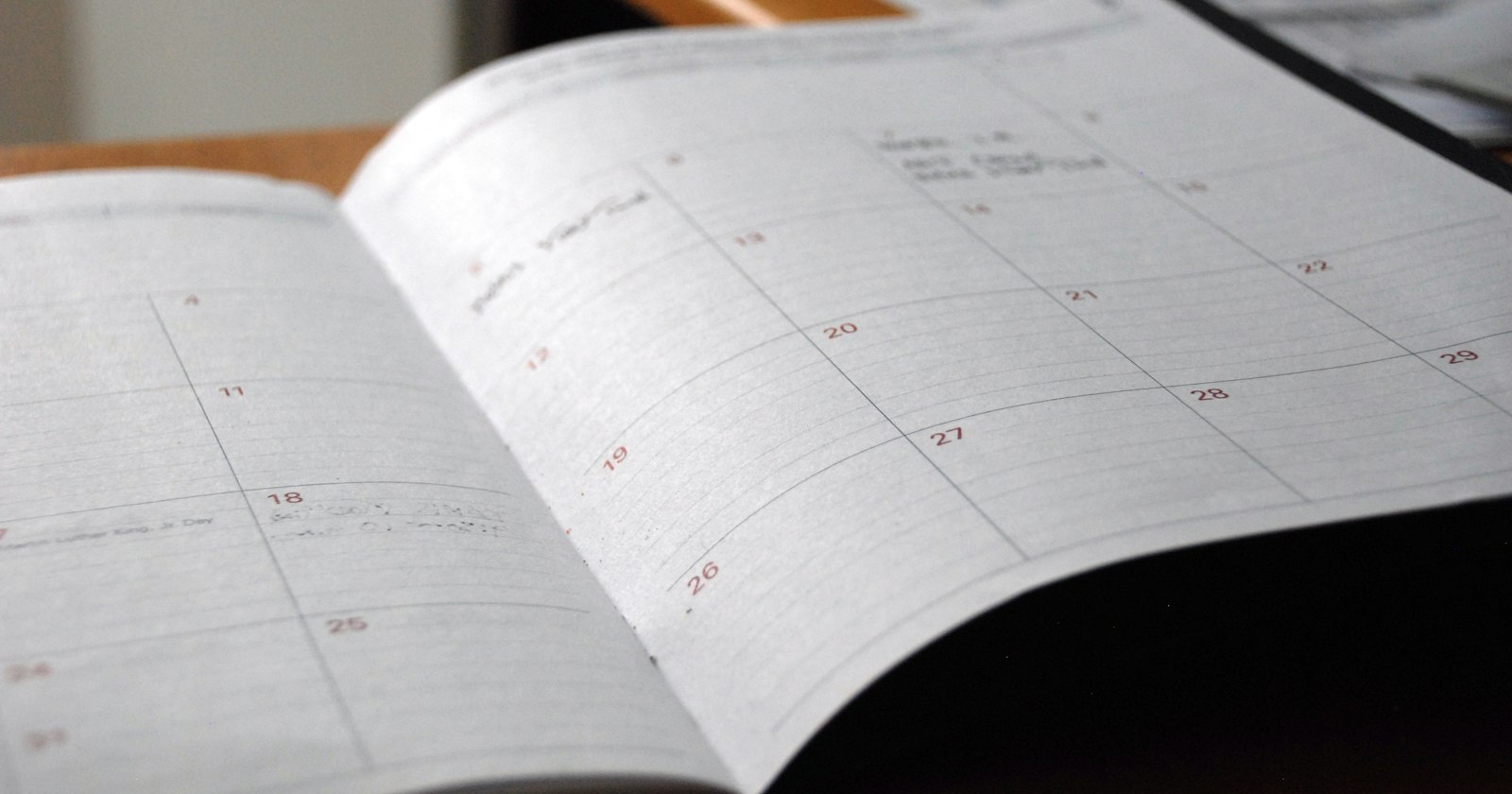
Sit down once with twelve months on one page, mark the moments your customers already have in mind, and give each moment one of the twelve campaign ideas that work for almost any business.
- Ramadan and Eid in the Gulf: the Ramadan message before it begins, the Eid greeting near its end, in Arabic for customers who write in Arabic. Ramadan moves about eleven days earlier each year, so check the dates.
- Summer: holiday hours, a summer offer, or a reminder to book before the break.
- Back to school: busy weeks for tutors, opticians and shoe shops.
- Black Friday: join only if discounts suit your business; otherwise give regulars early access.
- Christmas and New Year: gift vouchers, last appointments, the days you are closed.
- Local moments: national days in the Gulf, carnival in the Rhineland, school holidays that differ by German state, your opening anniversary.
Your own seasons matter more than the public ones. A bike repair shop's season starts with the first warm weekend, a tax advisor's with the filing deadline, a wedding photographer's in January. Send ahead of your busy weeks and into your quiet ones; planning capacity for seasonal demand helps you judge how many bookings you can take.
Mix offers with news and useful content
A list that only hears about discounts learns to wait for the next one. Between offers, send things worth reading for their own sake: a new team member, an event, care advice for the shoes they bought. A rough rule: for every offer, one or two messages that ask for nothing but a read. They keep reads up, and reads keep your messages arriving.
Send on the customer's clock
The best hour depends on your customers' day, not yours. Late morning and early evening suit most people; avoid early mornings, late nights and Friday midday in the Gulf. During Ramadan, many people are on their phones after iftar, so send then.
In Convelly's WhatsApp campaigns you schedule a send for a date and time in your business's timezone. If your customers live in more than one, such as a Berlin agency with clients in Dubai, tag them by place and schedule one campaign per group.
Schedule ahead and keep quiet weeks
Write a month of campaigns in one sitting and schedule them once WhatsApp has approved any new template. WhatsApp also limits how many different people your business can reach outside an open conversation in any 24 hours, and that limit is shared by every number in your business portfolio. Convelly shows your number's quality rating and daily limit, and it can spread a large campaign over several days on its own.
Plan quiet periods as well: the week after a big campaign, team holidays, and any week you could not answer replies within minutes. Unanswered replies cost more than silence; turning campaign replies into sales covers what to do with them.
Mark the empty weeks on your campaign calendar as carefully as the full ones. They are what makes the next message welcome.
Convelly team
Watch how Convelly schedules a campaign in your timezone and spreads a large send over several days.
Book a Demo